Published : 2026-02-13
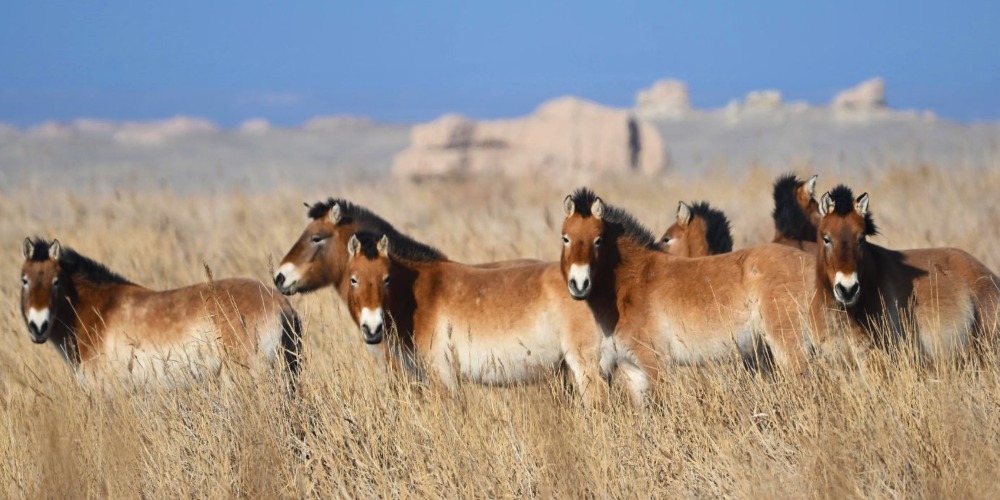
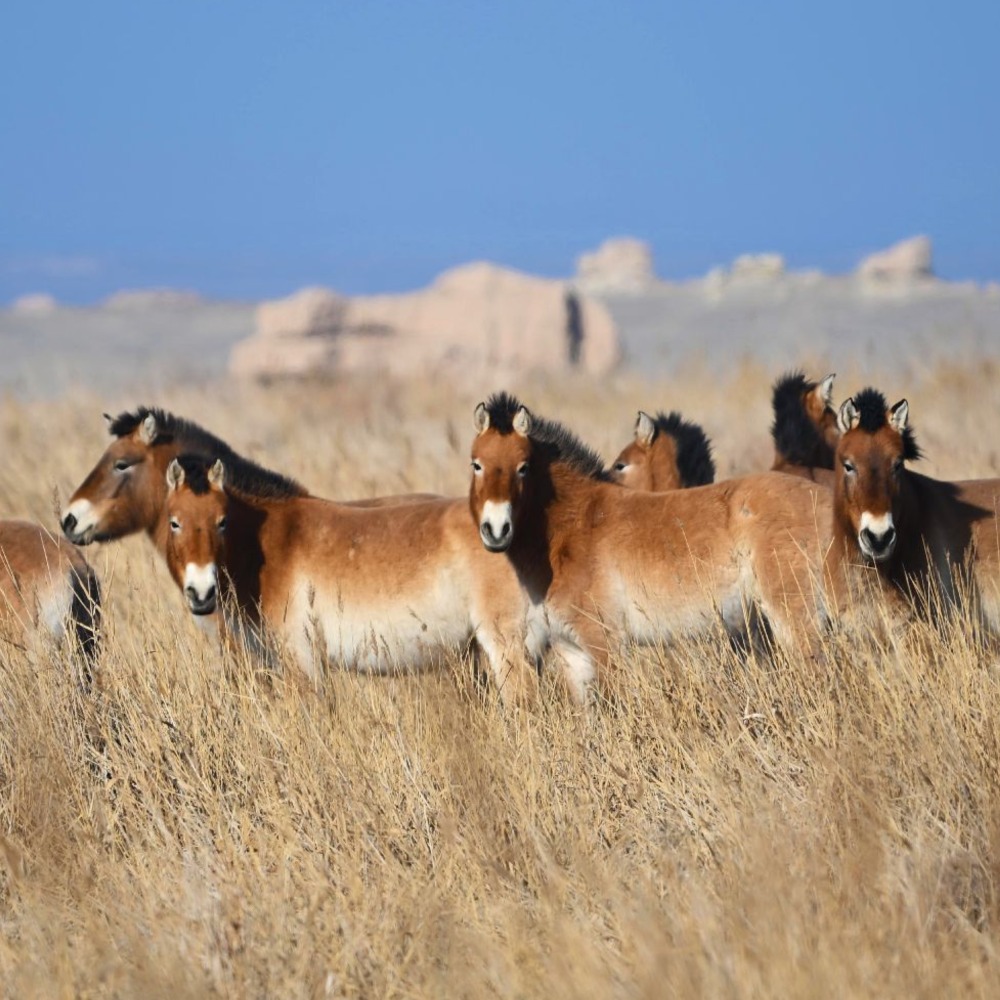
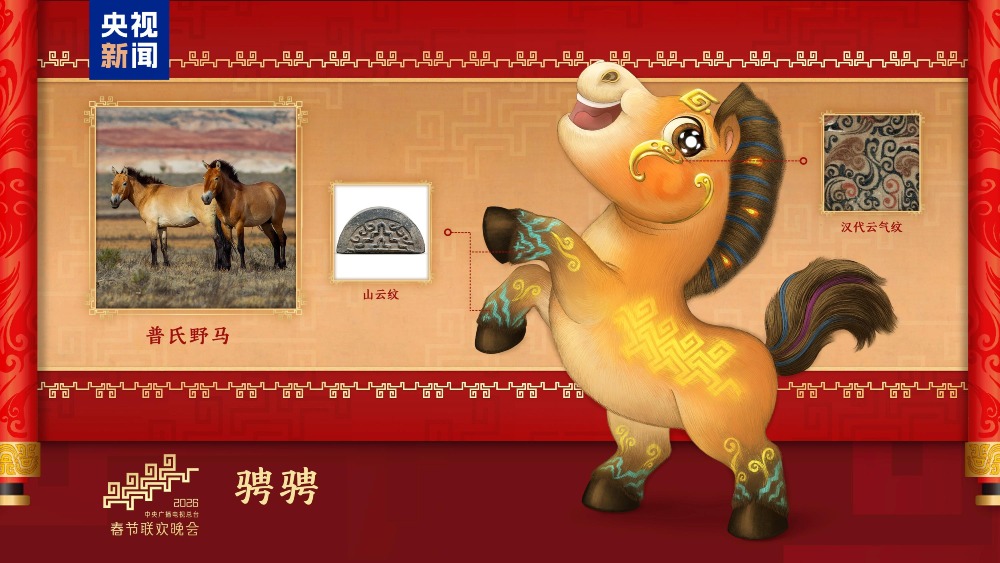
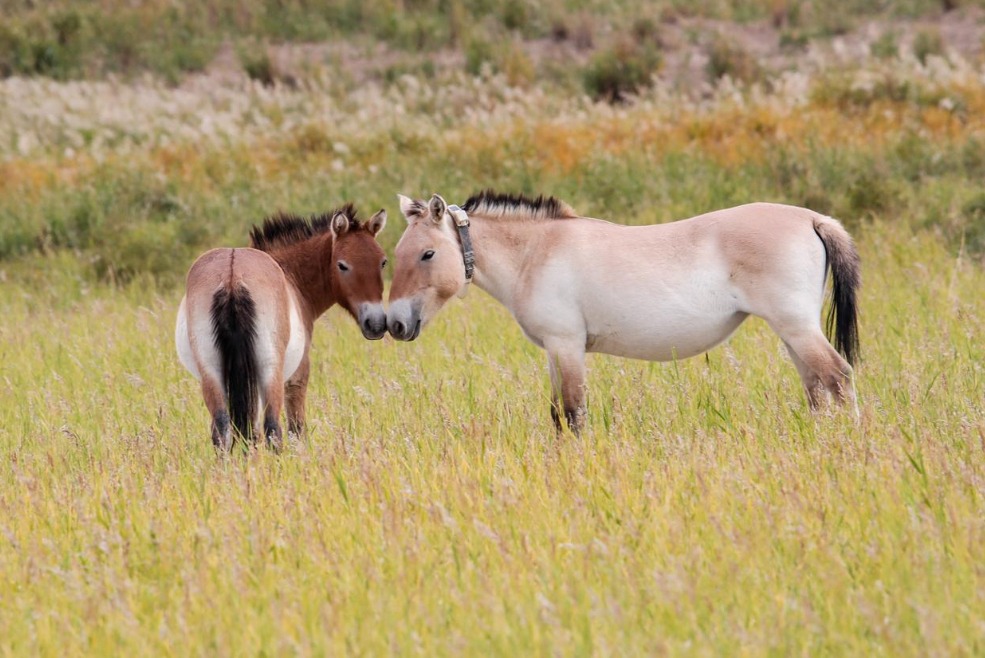
"Chengcheng" (騁騁) is one of the four mascots for the 2026 China Central Television (CCTV) Spring Festival Gala. But do you know that its prototype, the Przewalski's horse, is actually the world's only extant species of wild horse?
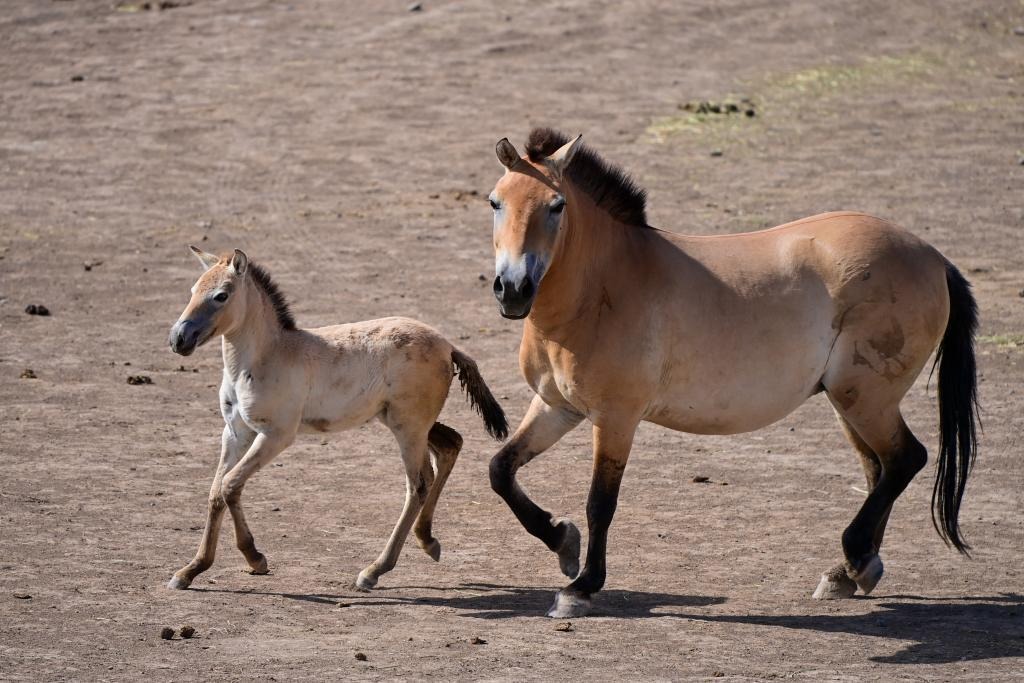
It was once extinct in the wild, but after 40 years of conservation and protection, its population in China has now grown to 900, accounting for one-third of the global total.
Przewalski's horse: A living fossil of the desert
The horses that people usually see are domestic horses, which were tamed by humans thousands of years ago.
The Przewalski's horse (普氏野馬), however, has never undergone domestication and has evolved entirely in its natural environment. With an evolutionary history of 60 million years, it is known as a "living fossil of the desert", and it is the only extant wild horse species on Earth.
The Przewalski's horse was originally distributed in the Xinjiang and Gansu regions of China. In 1878, Russian explorer Nikolay Przhevalsky discovered the wild horse in the Dzungarian Basin in Xinjiang and obtained a specimen, which is how the Przewalski's horse got its name.
Later, due to ecological degradation, wars, and intensified economic activities, the distribution area and population of the wild horses sharply declined, eventually leading to their extinction in the wild in the mid-20th century.
However, some wild horses had previously been captured and taken abroad. Although they were kept in captivity for a long time, this managed to preserve the species' "bloodline".
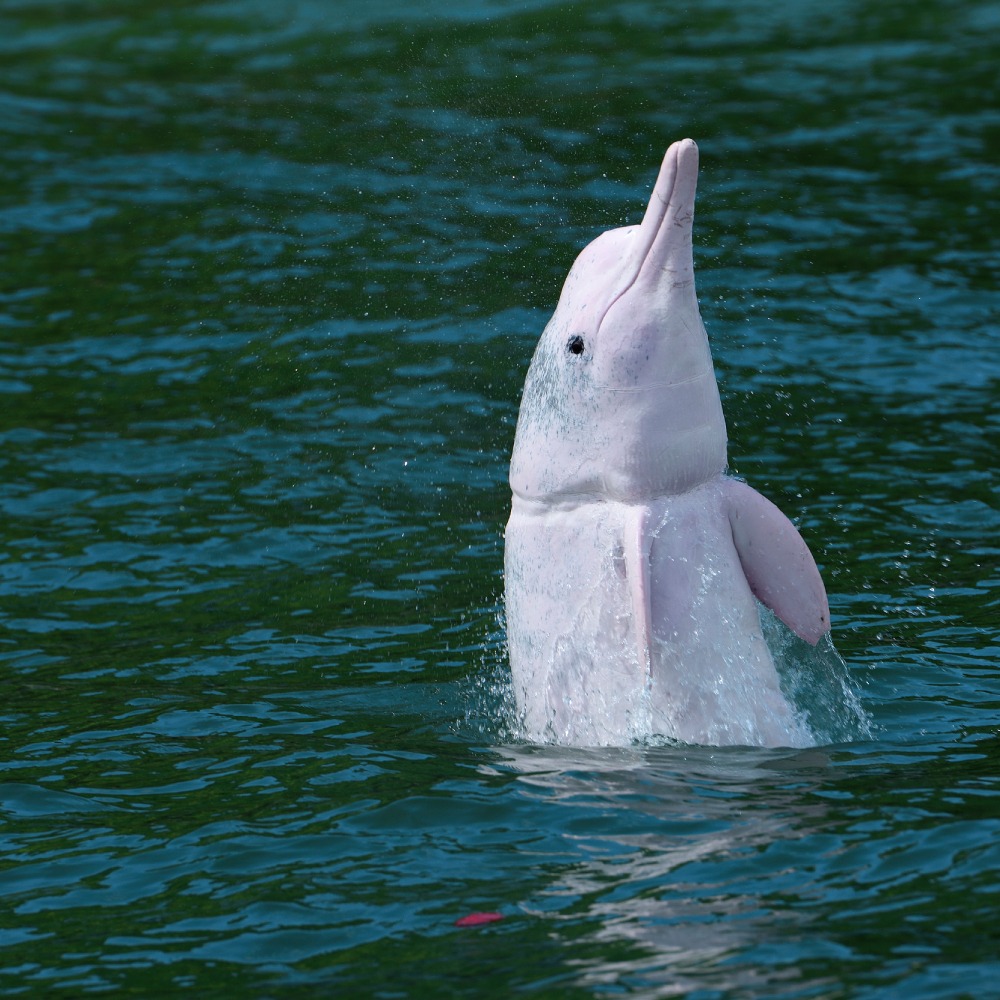
Read more: How to protect Chinese white dolphin, the "National Treasure of the Sea"|Smart Conservation ?
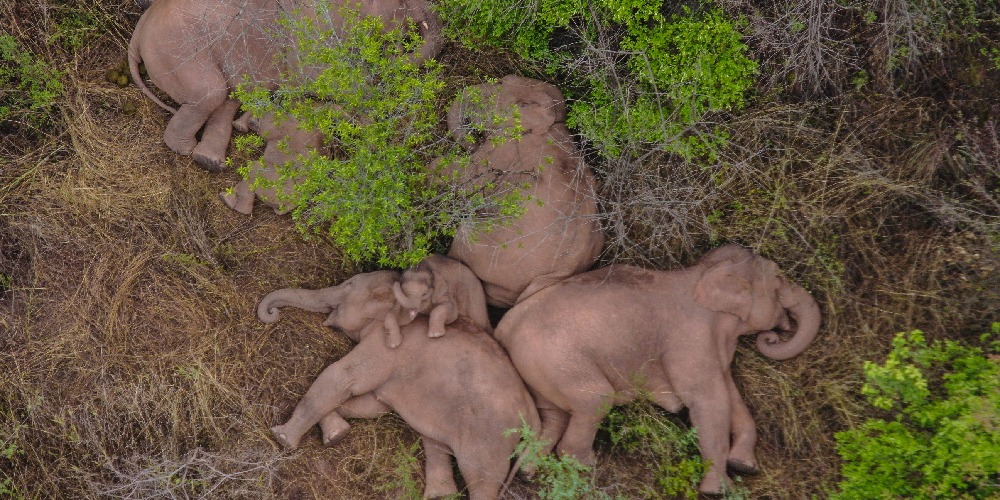
Read more: How did the nearly extinct Asian elephant welcome a "baby boom"?|Smart Conservation ?
Przewalski's horses returned home
In 1985, China launched the "Wild Horse Homecoming" plan, successively importing Przewalski's horses from the UK, Germany, and the U.S. to the Xinjiang Wild Horse Breeding Research Centre and the Gansu Endangered Animal Protection Centre for breeding and protection.
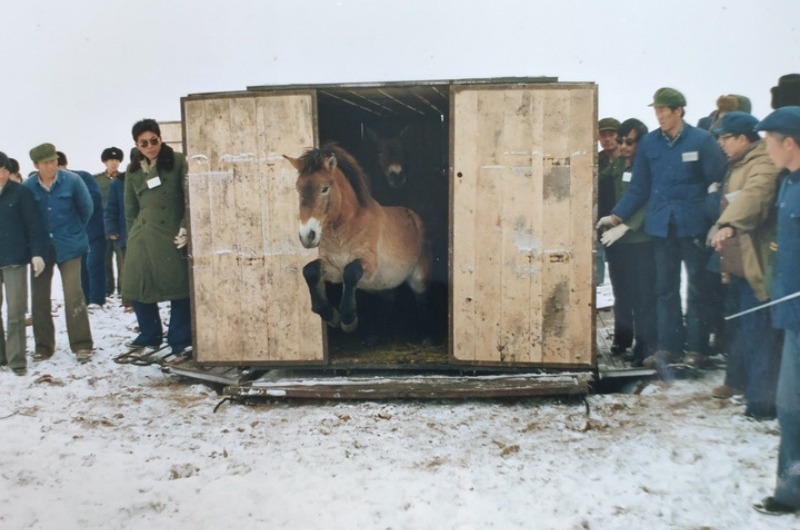
When the wild horses first returned, due to a lack of relevant materials and experience, all procedures, including breeding patterns, feeding management, and disease prevention, had to be figured out and summarised by the staff themselves through trial and error.
Three years later, "Dzhungar No. 1" (準噶爾1號) was born. This was the first wild horse bred in China, signifying that the Przewalski's horse breeding programme had successfully overcome the challenges of adaptation and reproduction.
However, the research institute was not their true "home", and returning the wild horses to the wild was still no easy task.
To help the "pampered" wild horses adapt to the wild environment, researchers first let them live in a semi-wild enclosure that simulated natural conditions for half a year.
In the research institute they were fed twice a day, but in the semi-wild enclosure, they were fed only once every three to five days to train their ability to survive independently.
Gratifyingly, this group of released wild horses naturally bred a healthy next generation in the wild the following year. This was a success in the truest sense of rewilding. The wild horses bred by humans had finally returned to their native wilderness in the Dzungarian Basin.
Harnessing DNA technology for precise breeding through hair matching
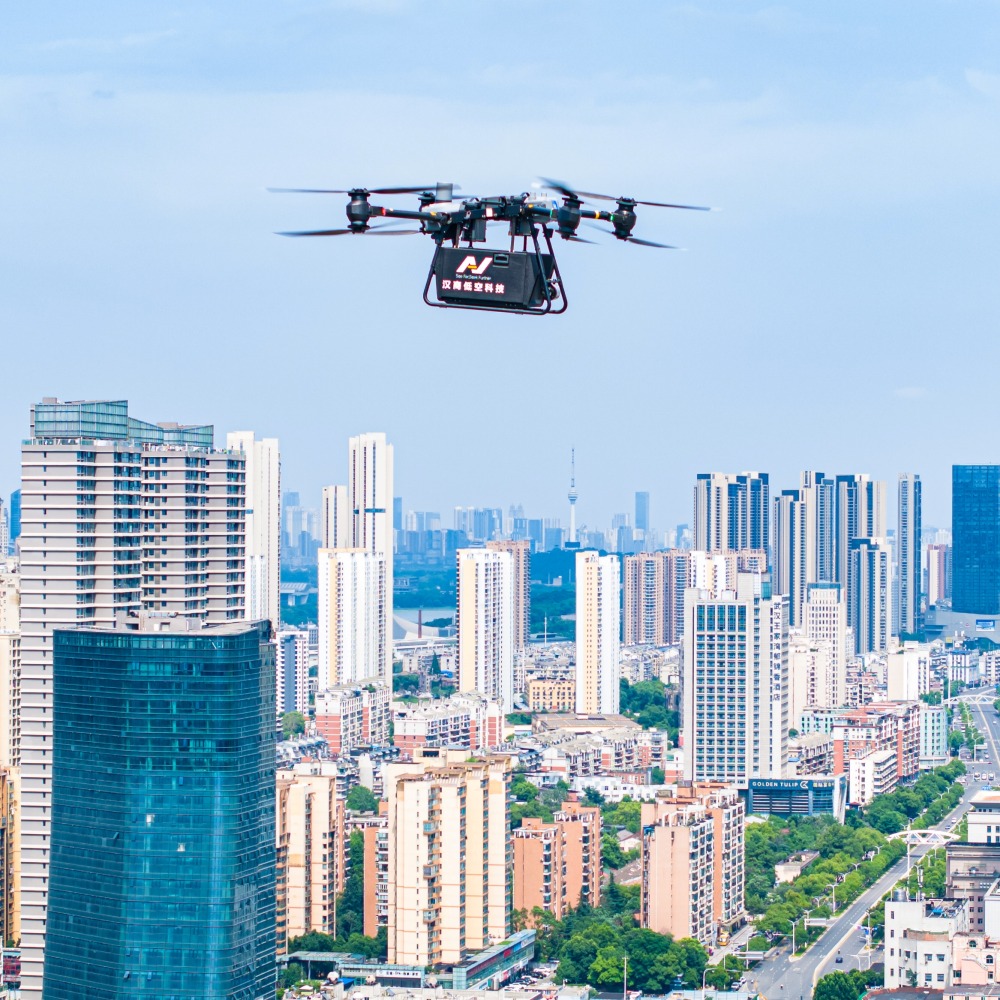
However, reintroducing them into the wild does not mean the end of protection. To better monitor the wild horses, the conservation centre has installed a panoramic surveillance system, which includes heavy-duty pan-tilt-zoom cameras, drones, satellite positioning collars, and so on, enabling 24-hour uninterrupted monitoring.
Wherever the wild horses go, their location is displayed in real-time on the large screen in the command centre, which can also capture details of the wild horses' lives in real-time, accurately tracking their activity trajectories and health status.

Besides breeding and reintroduction into the wild, another pressing issue to be addressed is inbreeding.
The "Wild Horses Return Home" project introduced a limited number of wild horses, making inbreeding a likely occurrence. Inbreeding can lead to problems such as slow development, deformities, reduced adaptability, and diminished fertility, which is very harmful to the species.
To exchange genes, researchers have transported stallions bred in China to Mongolia and wild horses from Xinjiang to Gansu to increase genetic diversity.
Furthermore, a complete pedigree archive for the wild horses has been established, DNA profiles have been identified for over 100 wild horses, and distantly related individuals have been selected for grouping.
Moreover, DNA testing projects at the molecular level can enable precise breeding pairing through small amounts of hair and faeces.
Read more: China's 5 major endangered species
Read more: Biodiversity conservation in China: Stories of five "firsts"
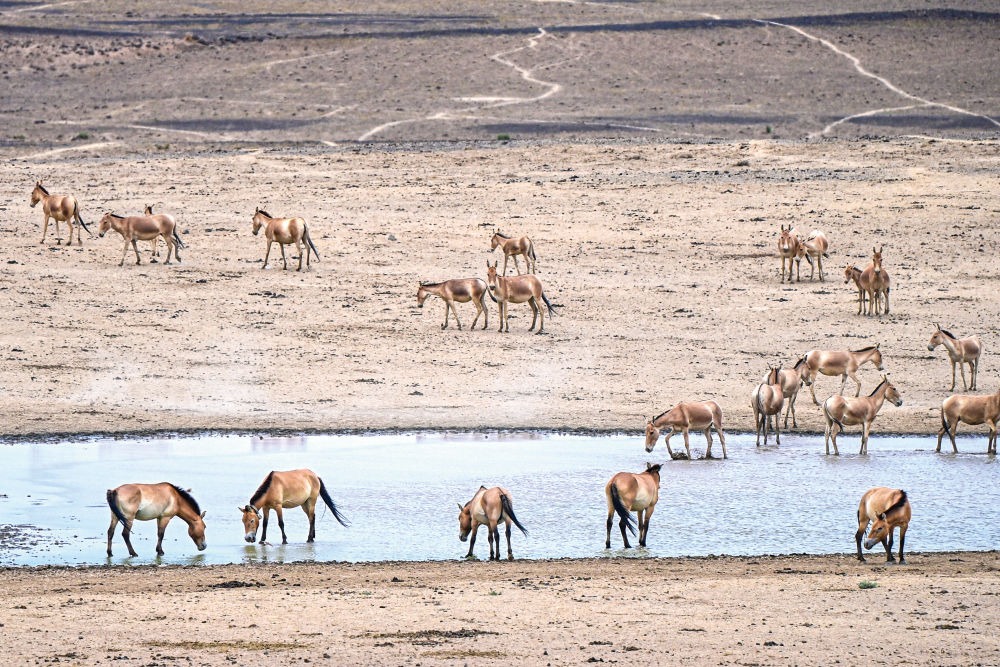
From the launch of the "Wild Horses Return Home" project in 1985 to the end of 2024, the population of Przewalski's horses in China has surpassed 900, accounting for one-third of the global total. The project is also internationally regarded as a successful model for species reintroduction.